Commemoration of the deceased faithful
Massimo Palombella
Saint Augustine (354-430) in Chapter IV of “De cura gerenda pro mortuis” speaks of prayers that the Church makes in a general commemoration of all the deceased faithful: “one should never neglect prayers for the souls of the deceased: something that the Church, in a common commemoration, has always done for all those who died in Christian and Catholic communion, even without naming them”.
In the 6th century, it was customary in Benedictine monasteries to hold a commemoration of the deceased monks at Pentecost.
In Spain at the time of St. Isidore of Seville (560-636) this celebration was held on the Saturday before “Sessagesima” or before Pentecost. In Germany there was an ancient celebration in which people prayed for the deceased on October 1st.
In the Middle Ages this celebration slowly spread to various dioceses. The extension to the whole Church seems to be found for the first time in the Ordo Romanus of the 14th century, where November 2nd is referred to as the “anniversarium omnium animarum“.
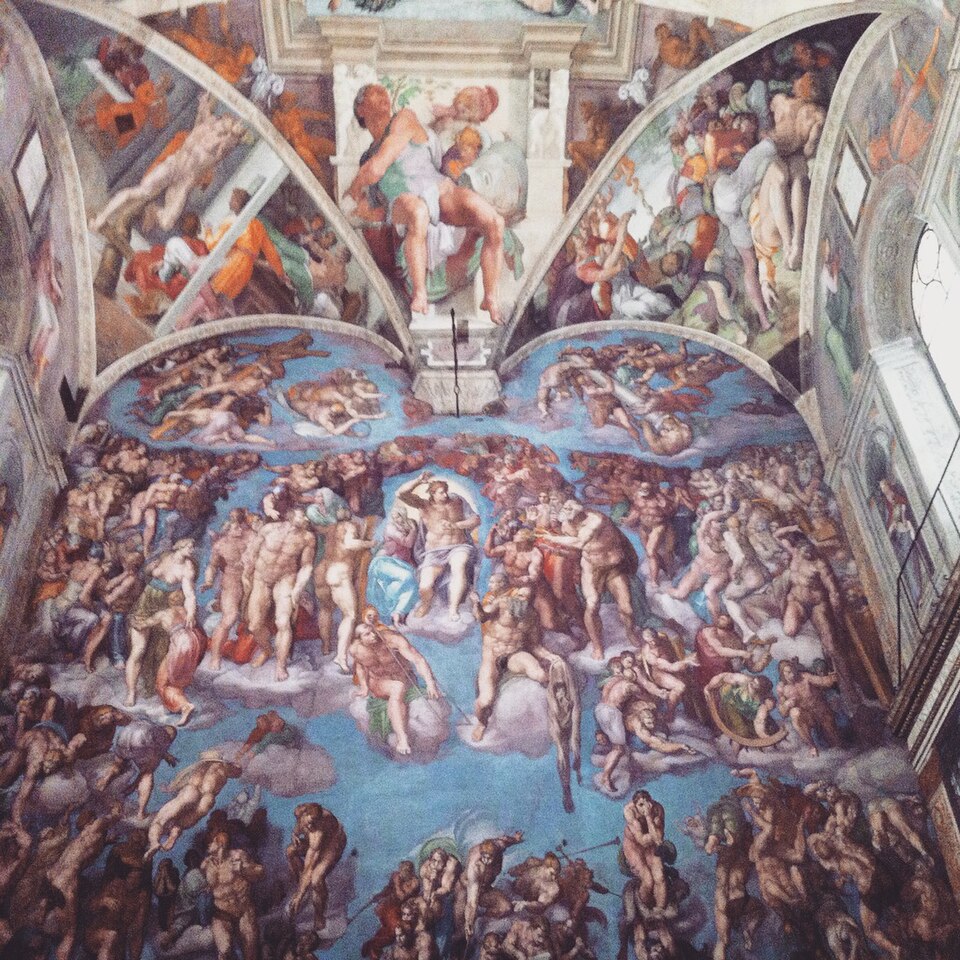
The Church dedicates a day to remembering the dead in the conviction that in order to see God it is necessary to be free from all that, in some way, binds us to “temporal” realities. Here, then, is the need to pray for those who have died and require purification, to free themselves from everything that does not yet allow the vision of God. This reality is what we traditionally call “purgatory”, a situation on the “border” between history and eternity.
To remember the dead today means to be in contact, to become “familiar” with death, the only thing really certain about our life. Death questions me about how much I am really living, about the true quality of my life, about what is really essential and I cannot afford to lose, about how ready I really am today to “see God”.
The Communion antiphon in the Ambrosian Rite (the ‘transitorium’) of today’s celebration is taken from chapter 11 of the Gospel of John (Jn 11:25-26) with the following text:
Ego sum resurrectio et vita: qui credit in me, etiam si mortuus fuerit, vivet,
et omnis qui vivit et credit in me, non morietur in aeternum: dicit Dominus
(I am the resurrection and life. He who believes in me, even though he is dead, shall live;
and whoever lives and believes in me shall never die, says the Lord).
The attached music, in Ambrosian chant, is taken from the Antiphonale Missarum Iuxta Ritum Sanctæ Ecclesiæ Mediolanensis, published in Rome in 1935. The live performance is by the Musical Chapel of Milan Cathedral at the celebration on 14 June 2023 (Silvio Berlusconi’s funeral)
A blessed day and heartfelt greetings.