Solemnity of All Saints
Massimo Palombella
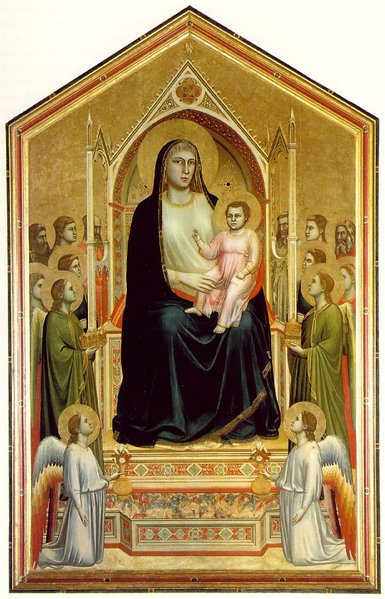
In the West in the 4th century, in the Würburg Lectionary, we have traces of the first Sunday after Pentecost with the indication “Dominica in natale sanctorum“.
On 13 May 609, Pope Boniface IV made the dedication of the Pantheon as a Christian Basilica to the Blessed Virgin Mary and to all martyrs with the name “Sancta Maria ad Martyres“, and established the anniversary celebration.
Pope Gregory III in 741 founded an oratory in St Peter’s Basilica dedicating it “in honorem Salvatoris, Sanctae Dei genetricis semperque virginis Mariae dominae nostrae, sanctorumque apostolorum, martyrum quoque et confessorum Christi, perfectorum justorum” (in honour of the Saviour, the Holy Mother of God and ever virgin Mary our Lady, and the holy apostles, as well as the martyrs and confessors of Christ, the perfect righteous).
Even before the 19th century, in Ireland, England, Bavaria and in some Churches of Gaul, a feast day was celebrated on 1st November, which the Irish calendar of Oengus calls “the saints of Europe”.
Pope Gregory IV (827-844) asked Ludovico the Pious (Emperor of the Carolingian Empire from 814 to 840) in 835 to order the celebration of the feast of All Saints on 1st November by a “royal” decree. The decree was issued “omnibus regni et imperii sui episcopis consentientibus” (all the Bishops of his kingdom and empire agreed), and from that moment the celebration, till then a local feast of Rome and of some particular Church, became a general feast, which quickly spread throughout Latin Europe.
Pope Sixtus IV (1471-84) added the octave, which was suppressed by Pope Pius XII in 1955.
Celebrating today’s feast means giving us time to reflect on the real quality of our lives. In fact, “holiness” represents a path towards the fullness of humanity, a path that Jesus clearly traces in today’s Gospel (Mt 5:1-12a), the Beatitudes.
Being poor, meek, hungry and thirsty for justice, merciful, pure of heart… represents a precise choice in my life, a slow conversion of how I read, judge and act in front of reality.
Holiness is then not only a difficult task to build a future of happiness, of fullness that I will enjoy – perhaps – after death, but already now, I begin to live in happiness and fullness through my concrete every day choices.
The Alleluia verse in Gregorian chant for today’s celebration is taken from chapter 11 of the Gospel of Matthew (Mt 11:28) with the following text:
Venite ad me, omnes, qui laboratis et onerati estis, et ego reficiam vos.
(Come unto me, all you who labour and are heavily burdened, and I w ill comfort you).
The attached music, in Gregorian chant, is taken from the Graduale Triplex published in Solesmes in 1979. The interpretation is by the Choeur des moines de l’Abbaye de Solesmes conducted by Dom Joseph Gajard.
A blessed Sunday and heartfelt greetings.