Second Sunday of Lent/A
Massimo Palombella
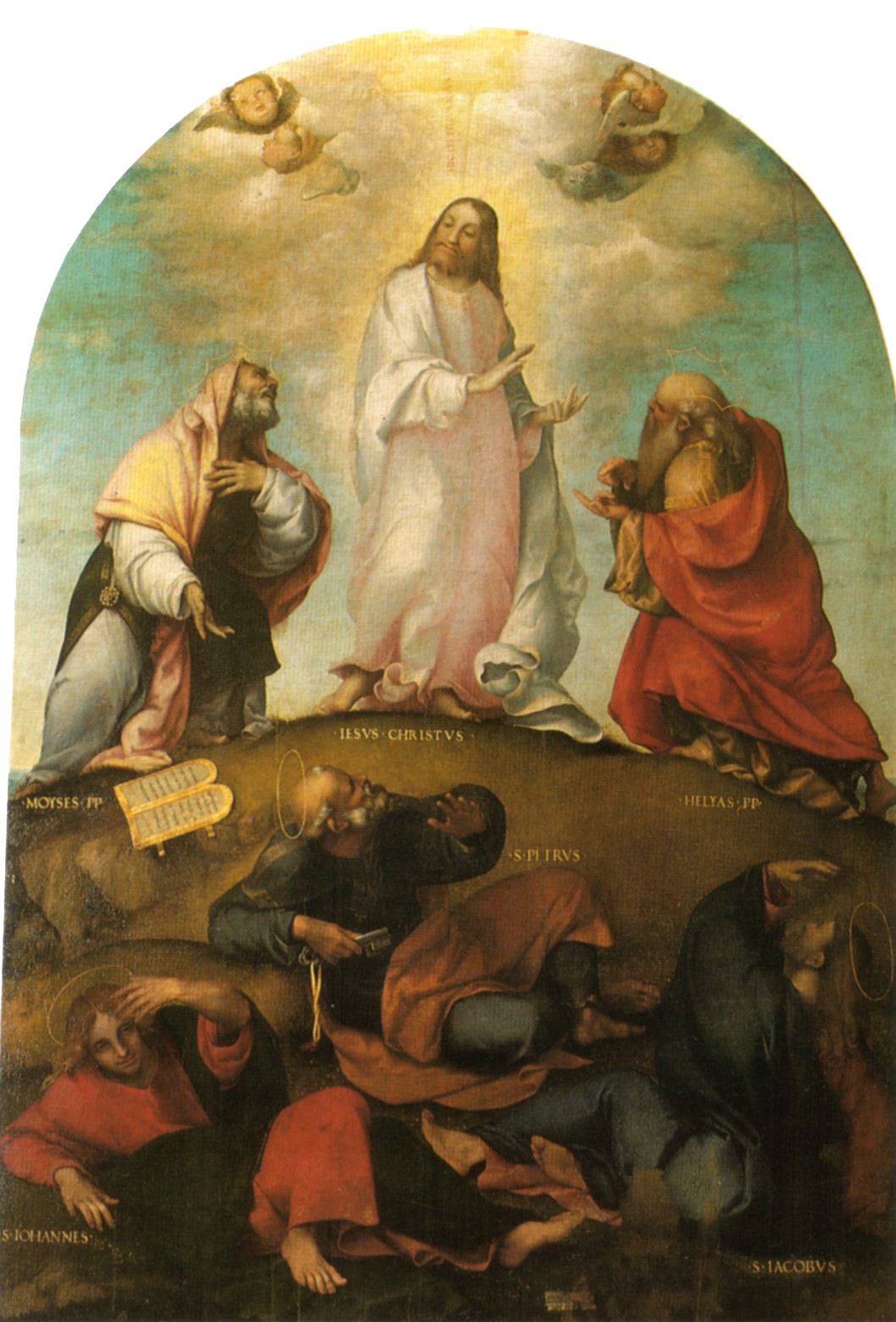
In today’s Gospel (Mt 17:1-9) Jesus climbed a high mountain and was transfigured before Peter, James and John: “His face shone like the sun, and his clothes became white as the light. And behold, Moses and Elijah appeared to them, conversing with him”.
Faced with the manifestation of God’s glory that is the fullness of our humanity, the essence of our every desire, Peter is tempted to stop that moment and says: “Lord, it is good for us to be here! If you want, I will make three tents here, one for you, one for Moses and one for Elijah’.
It is interesting to note how St Augustine, in his Discourse 78, comments on the Apostle Peter’s attitude: ‘Come down, Peter; you wished to rest on the mountain: come down; preach the word of God, insist on every opportune and importunate occasion, rebuke, exhort, encourage using all your patience and ability. Work, toil much, accept also sufferings and torments, that through the whiteness and beauty of good works, you may possess in charity what is symbolised in the whiteness of the Lord’s garments”.
If our relationship with God is authentic, our life slowly improves, we become able to ‘move’, to go beyond our lazy ‘stationing’, we find the courage to tell and do the truth, to pass through our fears, to take those decisions that have been waiting for us for a long time.
The true God spurs us on, leads us from illusion to reality, gives us the gift of slowly becoming the people we can and should be.
The text of today’s Offertory antiphon is taken from Psalm 118 (Ps 118:47-48) with the following text:
Meditábor in mandátis tuis, quæ diléxi valde:
et levábo manus meas ad mandáta tua, quæ diléxi.
(I will meditate on your commandments which I love exceedingly;
I will lift up my hands towards your commandments which I love).
The attached music, in Gregorian chant, is taken from the Graduale Triplex published in Solesmes in 1979. The interpretation is by the Choralschola der Wiener Hofburgkapelle conducted by Hubert Dopf. The music track can be found on the CD Gregorian Chant published by Universal International Music B.V. in 1984.
A blessed Sunday and heartfelt greetings.