First Sunday of Advent and the New Liturgical Year
Massimo Palombella
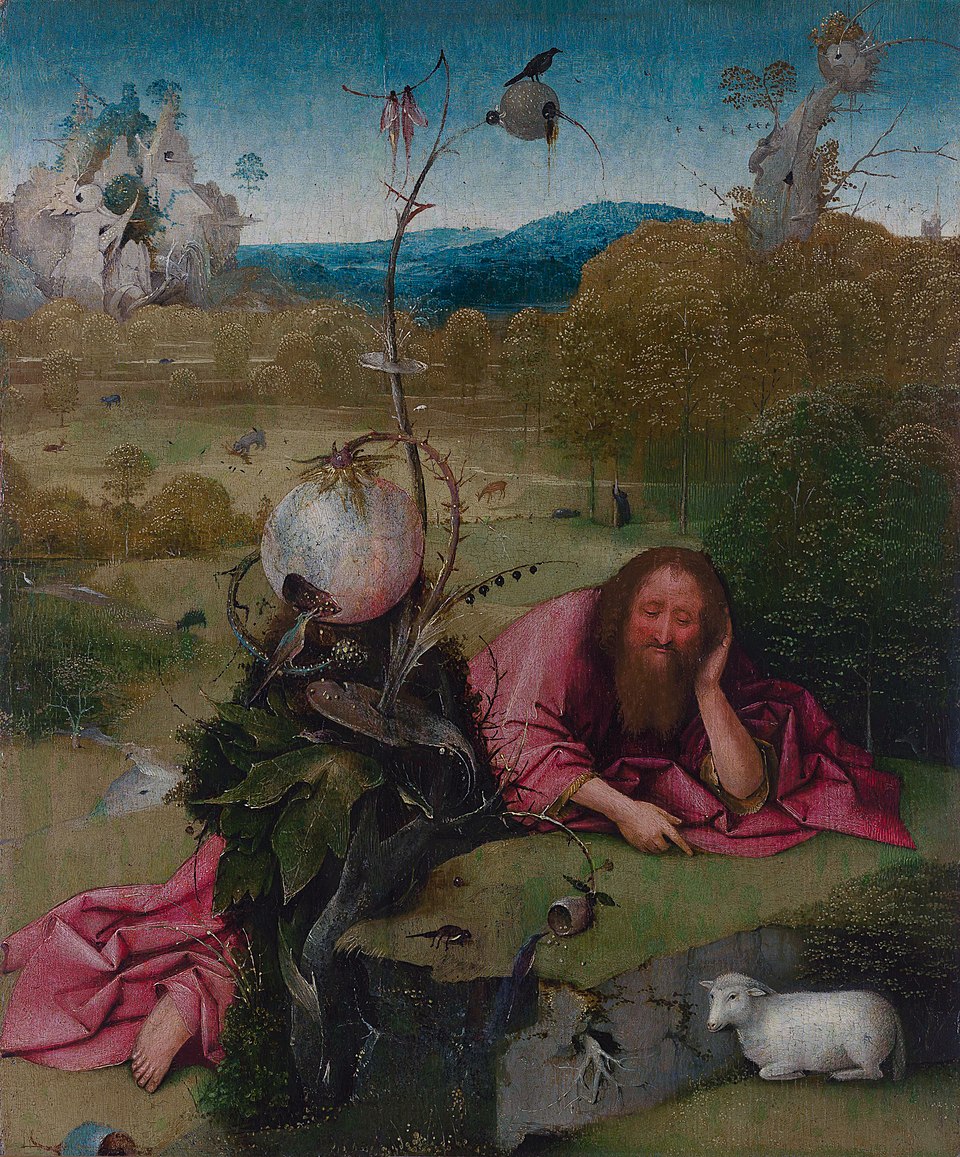
The time of Advent, which progressively started taking shape since the 4th century, has a twofold characteristic: it is a period of preparation for the solemnity of Christmas where we remember the first coming of the Son of God among us and, at the same time, it is a time in which each of us is called to reflect on the expectation of the second coming of Christ at the end of time.
The celebration of the birth of Jesus prepares each one of us for the definitive encounter with Christ.
Indeed, the first coming of Jesus in history begins what the second and definitive coming, at the end of history, in the Parousia, will bring to completion.
The coexistence of these two aspects of Christ, the historical and eschatological, is reflected in the liturgical texts, in which the two comings intertwine and overlap continually.
Today’s liturgy invites us to focus our attention on what we most desire from life, namely, meaning, fulfilment, fullness, peace…
This meaning, this fulfilment, this fullness, this peace is the Lord, whose expectation can improve my life, whose desire is the secret to a life truly worth living.
The hymn for Advent Vespers is by an unknown author, probably dating back to the 9th century, and has the following text:
Conditor alme siderum,
aeterna lux credentium,
Christe, redemptor omnium,
exaudi preces supplicum.
Qui, condolens interitu
mortis perire saeculum,
salvasti mundum languidum
donans reis remedium.
Vergente mundi vespere
uti sponsus de thalamo
egressus honestissima
Virginis matris clausula.
Cuius forti potentiae
genu curvantur omnia:
caelestia, terrestia
nutu fatentur subdita.
Te deprecamur hagie,
venture iudex saeculi:
conserva nos in tempore
hostis a telo perfidi.
Laus, honor, virtus, gloria
Deo Patri et Filio,
sancto simul Paraclito
in saecula saeculorum. Amen.
Creator of the stars of night,
Thy people’s everlasting light,
Jesu, Redeemer, save us all,
and hear Thy servants when they call.
Thou, grieving that the ancient curse
should doom to death a universe,
hast found the medicine, full of grace,
to save and heal a ruined race.
Thou camest, the Bridegroom of the Bride,
as drew the world to evening tide,
proceeding from a virgin shrine,
the spotless Victim all divine.
At whose dread Name, majestic now,
all knees must bend, all hearts must bow;
and things celestial Thee shall own,
and things terrestrial Lord alone.
O Thou whose coming is with dread,
to judge and doom the quick and dead,
preserve us, while we dwell below,
from every insult of the foe.
Praise, honour, virtue and glory
be to God the Father and the Son,
together with the Comforter Spirit
for ever and ever. Amen.
The attached music is by Giovanni Pierluigi da Palestrina and comes from the Hymns for the Whole Year, a book published in Rome by Giacomo Tornieri and Bernardino Donangeli in 1589 (Hymni totius anni [Romae, apud Iacobum Tornerium & Bernardinum Donangelum, 1589]).
The live performance is by the “Schola Cantorum Veneradae Fabricae”, at a concert held in Milan in the Church of San Gottardo in Corte on 20 November 2025.
A blessed Sunday and heartfelt greetings.
To listen to the entire concert, click on the following link: