Twelfth Sunday in Ordinary Time/A
Massimo Palombella
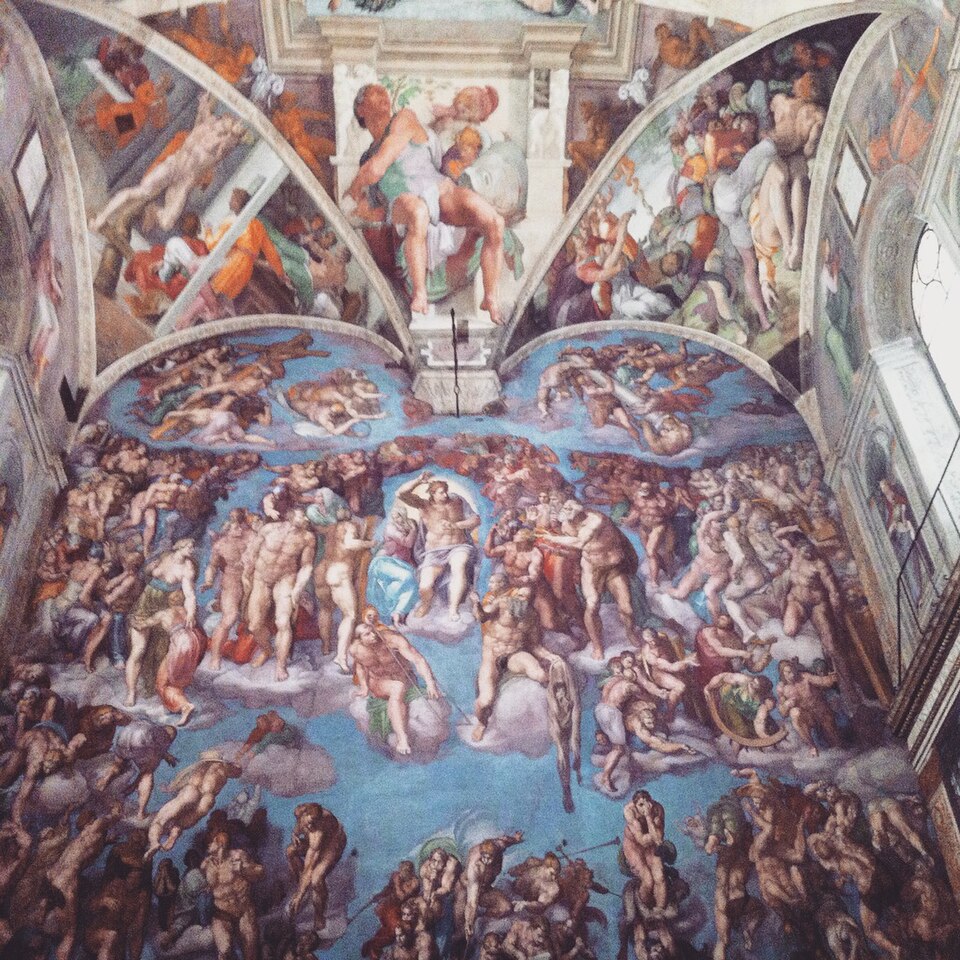
In today’s Gospel (Matthew 10:26–33), Jesus tells us not to be afraid. Three times He repeats these words. Not because fear is a flaw to be corrected, but because He knows the human heart.
We are afraid of meaning nothing to anyone, of not being recognised, of being forgotten. We fear loneliness and abandonment; we fear having no place in another person’s heart.
Fear is never superficial. If we dare to look deeply into it, it reveals what truly shapes our lives, what we hold most precious, and what we are most reluctant to lose.
For this reason, Jesus does not simply ask us to be without fear. Rather, He invites us, little by little, to learn not to let fear govern us.
The more we strive to drive it away, the more it comes to rule our thoughts and our choices. The more we attempt to conceal it, the more it remains master of our lives.
It is precisely here that faith is born. Faith begins when we discover that our lives are not in the hands of chance, of human judgement, or of circumstance. They are in the hands of God.
“Even the hairs of your head are all counted.”
This is not an invitation to recklessness. It is the proclamation that no one is forgotten; that our lives are held within a gaze that knows us and loves us.
Then fear does not disappear, but it loses its power.
And it is precisely there, where we are most vulnerable, where we fear being wounded or losing our way, that the Lord awaits us, to lead us towards the deepest truth of who we are: to become fully the persons we are called to be.
The Gradual appointed for today’s celebration is taken from Psalm 89 (Ps. 89:13, 1) and bears the following text:
Convertere, Domine, aliquantulum, et deprecare super servos tuos.
Domine, refugium factus es nobis a generatione et progenie.
(Turn again, O Lord, for a little while, and have compassion upon Your servants.
Lord, You have been our refuge from generation to generation).
The accompanying music, in Gregorian Chant, is taken from the Graduale Triplex, published by Solesmes in 1979. A recording of the chant may be found on YouTube, although no indications concerning its interpretation are provided there.
A blessed Sunday and heartfelt greetings.